
Introduction
If you are a roaster or an importer looking beyond your usual suppliers, sourcing green coffee beans from India is worth serious consideration. The country has been growing and exporting coffee for generations, yet it still remains somewhat underexplored compared to South American or East African origins. This guide walks through what buyers should actually know, from growing regions to grading to the export process itself, before placing a first order.
Why Buyers Look at India for Green Coffee
India grows both Arabica and Robusta, largely under shade, a technique that is fairly unique compared to many other origins and often shows up as a subtle complexity in the cup. For roasters looking to diversify their offerings, Indian green coffee beans bring a flavor profile distinct from the acidity driven beans of East Africa or the classic sweetness of Central America, generally earthier, lower in acidity, and often carrying faint spice notes picked up from the shade grown environment around them. This is part of why Indian green coffee beans have become a regular addition to specialty origin lists over the last few years, alongside growing interest from Indian green coffee beans for global buyers looking to diversify away from more saturated origins.
Understanding India’s Growing Regions
Most of India’s coffee comes from three southern states, Karnataka, Kerala and Tamil Nadu, with Karnataka accounting for the largest share, particularly from Kodagu and Chikmagalur. Kerala’s Wayanad region is known primarily for Robusta, while the Nilgiris hills in Tamil Nadu produce smaller volumes of high altitude Arabica. Knowing which region a bean comes from matters, since it affects body, acidity, and the underlying flavor notes buyers can expect from any batch of green coffee beans from India. This regional variation is one of the first things Indian coffee beans should factor in before settling on a lot, since two bags labelled simply as Indian Arabica can taste noticeably different depending on where they were grown.
What Green Coffee Actually Means
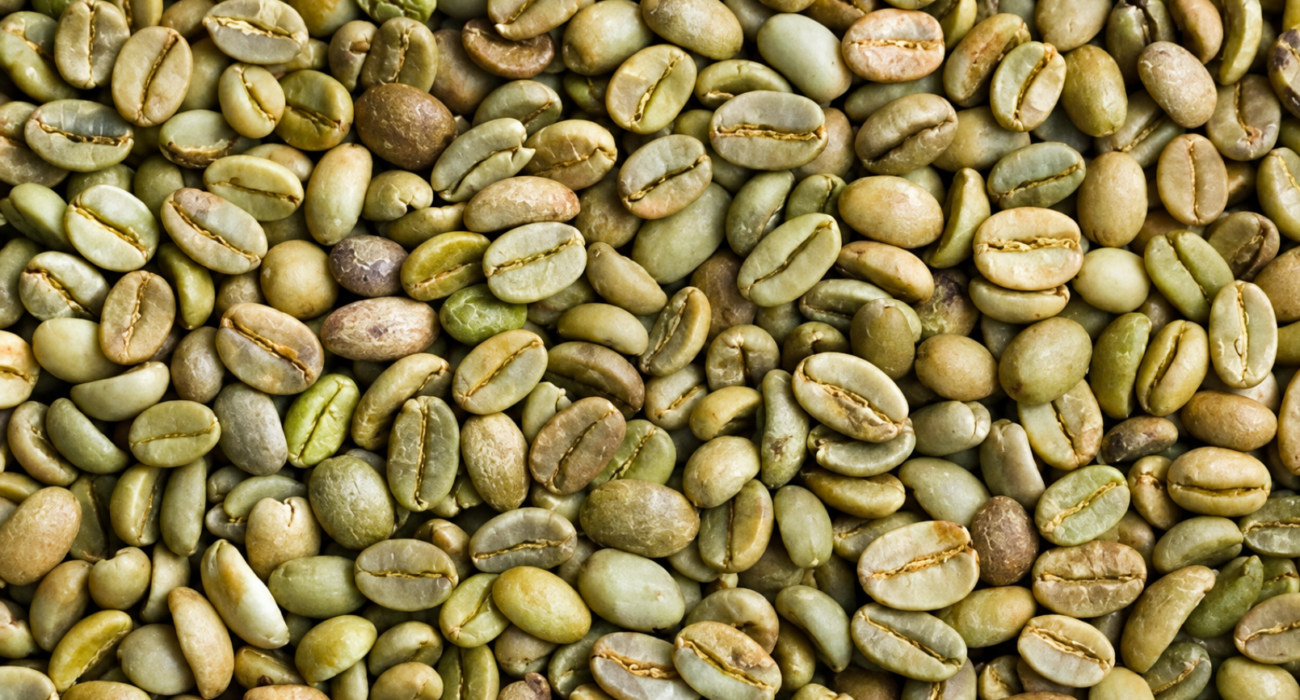
Green coffee is simply the bean before it has been roasted, still holding its natural moisture and a pale green to yellowish colour. It is processed either by the washed method, where the fruit pulp is removed before drying, or the natural method, where the whole cherry is dried before the beans are extracted, each method leaves a distinct signature on the final flavor.
Buyers who import green rather than roasted beans usually do so because it gives them full control over the roast profile once the beans reach their own facility, and it also keeps the beans fresher for longer during transit and storage. This is really the main appeal behind importing green coffee beans from India rather than sourcing pre roasted stock, the roast happens on the buyer’s terms, not the exporter’s.
Grading and Quality Checks
Indian green coffee is typically graded by screen size, defect count, and cup quality, with common designations including Plantation, Cherry, and Parchment grades for Arabica, along with Peaberry lots that are prized separately for their rounder shape and more even roast. A reliable Indian green coffee beans supplier should be able to share defect counts, moisture readings, and a cupping sample before any bulk order is confirmed, this is standard practice, and any buyer sourcing seriously should expect it as part of the process.
How Indian Coffee Export Actually Works
The Indian coffee export process runs through a few clear steps. Exporters need an Importer Exporter Code from the DGFT, along with registration with the Coffee Board of India, which issues a Registration Cum Membership Certificate. Coffee also needs to meet FSSAI food safety requirements even in its green, unroasted form, and shipments generally need to meet the importing country’s residue and moisture limits before they clear customs.
Beans are typically packed in jute bags, sometimes with a moisture resistant liner to protect against damage during transit, and shipped out from major ports such as Cochin or Mangalore depending on the origin region. Any serious green coffee beans exporter in India should be transparent about which of these steps they have already completed.
Sourcing in Bulk: What to Ask Before You Buy
Whether you are working out on how to source green coffee beans from India for the first time, or you already know you want a wholesale green coffee beans order, a few questions are worth asking upfront.
- Ask about harvest year and storage conditions, since green coffee does age and gradually loses some of its character over time.
- Ask for a sample roast before committing to a bulk green coffee beans supplier in India, so you know what the beans will actually taste like once roasted the way you intend to use them.
- Ask about minimum order quantities and consistency across harvests, since a green coffee beans supplier in India who delivers a great lot once is very different from one who can repeat that quality season after season.
The most reliable approach is working directly with an exporter registered with the Coffee Board of India, requesting cupping samples first, and confirming defect counts, moisture levels, and harvest dates before placing a bulk order.
Washed coffee tends to taste cleaner and more consistent, while natural processed coffee carries more fruit forward, sometimes wilder notes, since it dries with the cherry still intact around the bean.
Many exporters offer smaller trial shipments alongside bulk options. It is always worth asking directly rather than assuming a fixed minimum order size applies across the board.
Yes, particularly Robusta from regions like Wayanad, which is commonly used in espresso blends for the crema and body it adds, while high grown Arabica tends to work well for filter and pour over.
Most buyers work directly with an exporter or a supplier based in one of the growing regions, since it usually means fresher stock and clearer communication on harvest timing. If you buy green coffee beans from India through a middleman instead, it is worth confirming they can still provide the same documentation and cupping samples directly from source.
Conclusion
Sourcing green coffee beans from India does not have to be complicated once you know what to check and who to ask. Kappi Plus, through Gaim Internationals, supplies green coffee beans in bulk to roasters and importers looking for consistent, well graded Indian Arabica and Robusta, along with the documentation and cupping samples buyers typically expect before placing an order.