

Introduction
If you have ever stood in front of a coffee shelf wondering why one pack costs almost double the other, the answer usually comes down to one thing. The beans. Understanding arabica vs robusta is the first step to knowing what you are actually drinking every morning, and why some cups taste smoother while others hit harder and faster. Before getting into blends, it helps to know what is instant coffee in the first place. At its core, it is roasted coffee that has been brewed and then dried into a soluble form, so it dissolves the moment hot water touches it. The beans used to make that coffee powder, whether arabica, robusta, or a mix of both, decide almost everything about how the final cup tastes, smells, and feels. This guide breaks it all down in plain, simple language, so the next time you pick up a pack of instant coffee, you know exactly what is inside your cup.What Makes Arabica and Robusta Different
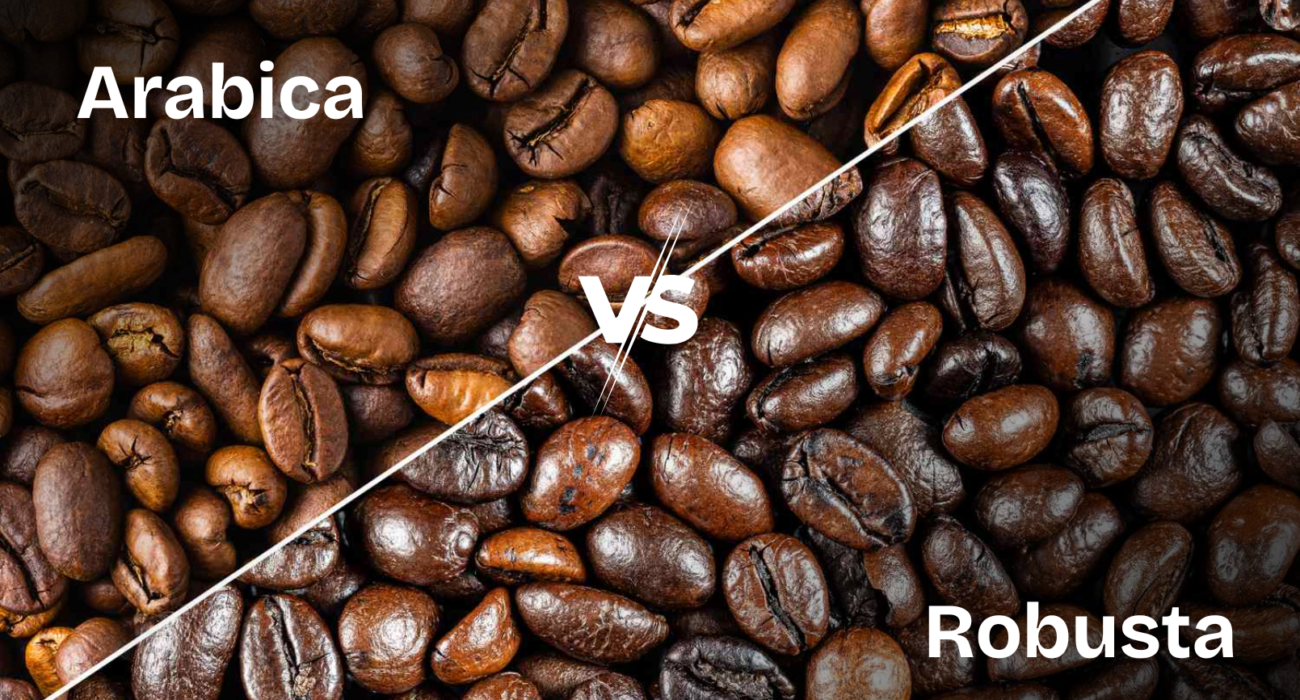
Arabica and Robusta are the two main coffee species grown and consumed across the world, and India grows both in different pockets of the south. Arabica coffee is grown at higher altitudes, usually in cooler hill regions. It has a naturally sweeter, more delicate flavor with lower caffeine and less bitterness. Because the plant is more sensitive to weather and pests, it needs careful cultivation, which is part of why it tends to cost more and is often associated with a more premium coffee experience. Robusta coffee grows at lower altitudes and is a hardier, easier to cultivate plant. It carries close to double the caffeine of arabica, along with a stronger, more bitter taste and a heavier body. It is often used to add strength and a fuller mouthfeel to a blend, and forms the backbone of many strong instant coffee india options on the market. Neither bean is better on its own. They simply do different jobs in a cup, and the magic usually happens when they work together as part of a well thought out coffee powder blend.Arabica vs Robusta: Taste, Caffeine, and Growing Conditions
Most of India’s arabica coffee powder india comes from high altitude estates in Karnataka, Kerala, and Tamil Nadu, where the beans mature slowly under shade. This slow growth is what gives arabica its fruity, floral notes and gentle acidity, and is part of why the region is known for producing some of the best instant coffee in india. Robusta coffee beans india are largely grown across Karnataka as well, particularly in regions like Kodagu and Chikmagalur, but at lower elevations and in warmer conditions. The result is a bolder, earthier, more nutty flavor with a noticeably higher caffeine kick, which is why robusta is often the bean of choice when a brand wants to offer high caffeine instant coffee india for people who need a stronger start to their day. Side by side, arabica leans sweet and smooth, while robusta leans strong and intense. Knowing this difference makes it much easier to pick a coffee brand in india that actually matches how you like to drink your coffee.How These Beans Become Your Everyday Instant Coffee
Once the beans are picked and roasted, they still need to be turned into the soluble coffee powder you scoop into your cup. Understanding how instant coffee is made helps explain why two packs using similar beans can still taste different. Most brands rely on one of two main coffee processing methods. In the first, called spray drying, brewed coffee is sprayed into a hot chamber where it dries almost instantly into fine granules. This is how most spray dried instant coffee is made, and it tends to be efficient and consistent. In the second, freeze drying, brewed coffee is frozen and then dried under vacuum, which better preserves the original aroma and flavor of the beans. This is the process behind most freeze dried coffee. Some brands also use agglomerated instant coffee, where fine granules are clumped together into larger, more soluble crystals for a smoother dissolve. Whichever process is used, it works with whatever soluble coffee powder base of arabica and robusta went in, which is why the bean ratio decided earlier is just as important as the drying method that follows.Why Blends Work Better Than Single Origin for Everyday Drinking
A cup of 100 percent arabica can feel too light for someone used to strong South Indian filter coffee. A cup of 100 percent robusta can feel too harsh for a casual, everyday drinker. This is exactly where a balanced coffee blend comes in. An arabica robusta blend coffee brings the sweetness and aroma of arabica together with the strength and body of robusta. The result is a cup that is smooth without being weak, and strong without turning bitter, which is what most people actually want from their daily coffee, whether they are sipping it at home, at their desk, or reaching for instant coffee for office use during a busy day.What a High Arabica Coffee Blend Means for Your Cup
When you see a high arabica coffee blend on a label, it usually means arabica makes up the larger share of the mix, often somewhere between 70 to 90 percent, with robusta added in smaller amounts for body and strength. These blends tend to taste smoother, more aromatic, and gentler, while still holding on to a satisfying depth, making them a good fit if you are searching for the best premium instant coffee india has to offer.Coffee Strength Guide: Reading Blend Ratios
Think of a bean ratio as a simple coffee strength guide you can read straight off the pack. A blend closer to 90 percent arabica and 10 percent robusta will feel gentle, aromatic, and easy to drink through the day. A blend closer to 50 percent robusta will feel bold, sharp, and closer to what many people call a strong robusta coffee, better suited to someone who wants their coffee to hit hard and fast. Once you know how to read this balance, choosing between the many types of instant coffee on a shelf becomes a lot less confusing.Choosing the Right Blend for You
- Want a lighter, more aromatic cup: look for a high arabica coffee blend.
- Want a stronger kick to start your morning: look for a blend with a larger share of strong robusta coffee.
- Want the best of both without overthinking it: choose a balanced coffee blend that already does the work for you, ideal as your best coffee for daily use.