Arabica and Robusta Green Beans: Choosing the Right Origin for Your Blend

Introduction
Every blend starts with a decision most roasters make early and revisit often, how much Arabica, how much Robusta, and from where. Getting this right shapes everything downstream, from how the roast develops to how the final cup tastes in someone’s hand. This guide walks through Arabica vs Robusta green coffee beans, what each brings to a blend, and how to think about origin when you are building or refining your own.
Why Origin Choice Matters
A blend is only as good as the decisions behind it, and bean choice is the first one. Two roasters can use the same ratio of Arabica to Robusta and still end up with noticeably different cups, simply because the beans came from different origins with different growing conditions, processing methods, and harvest timing behind them. Before you even touch a roast profile, the green coffee beans you start with already set the outer limits of what that blend can become.
Arabica & Robusta Green Coffee Beans: The Core Differences
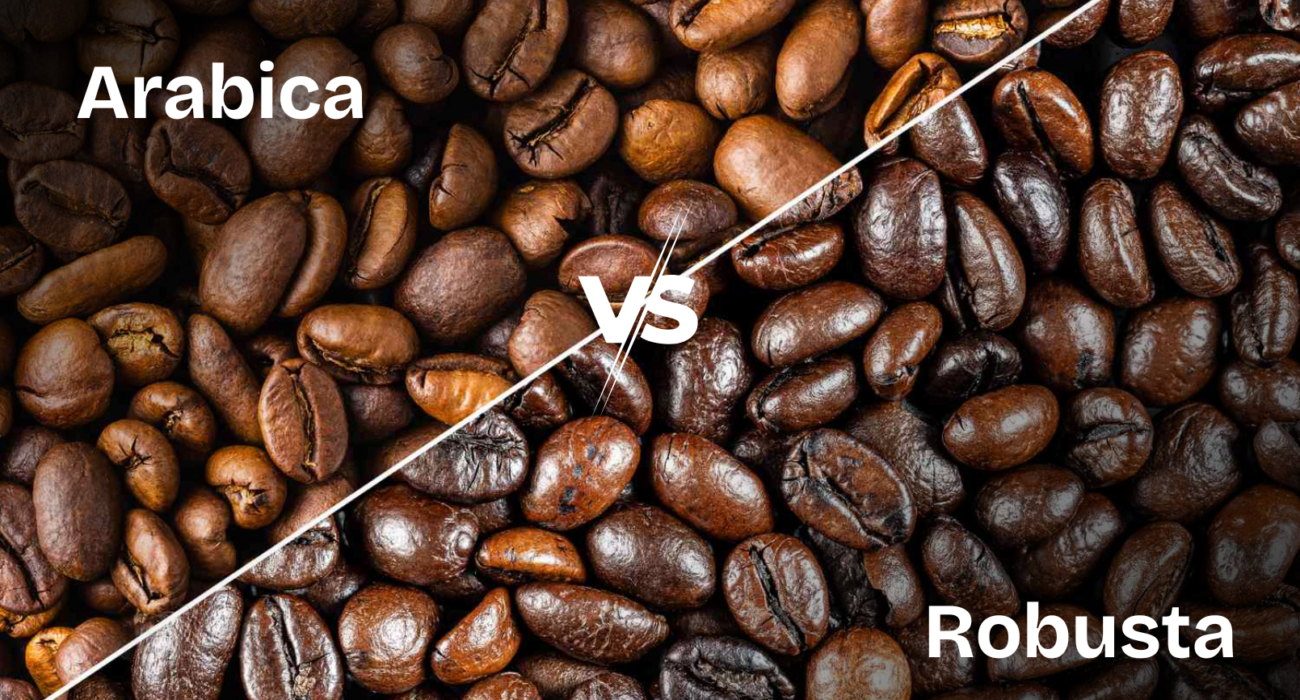
Arabica and Robusta are the two species behind almost everything sold as coffee, and they behave quite differently as green beans before roasting even begins. Arabica beans are typically larger, more oval in shape, and grown at higher altitude under slower ripening conditions, which tends to concentrate sugars and acidity within the bean. Robusta beans are smaller, rounder, and grown at lower altitude, with a noticeably higher caffeine content and a denser structure that roasts differently from Arabica.
These structural differences are not just academic. They directly affect how each bean behaves during roasting, how much it expands, how evenly it colours, and how forgiving or unforgiving it is of small variations in your roast curve.
What Arabica Green Coffee Beans Bring to a Blend
Arabica green coffee beans generally bring sweetness, aromatic complexity, and a smoother acidity to a blend. If you are aiming for a cup with floral or fruit forward notes, or one that feels lighter and more refined, a higher share of Arabica usually gets you there. The tradeoff is cost and a lower caffeine yield, since Arabica requires more careful cultivation and typically commands a higher price per kilogram than Robusta.
What Robusta Green Coffee Beans Bring to a Blend
Robusta green coffee beans bring body, crema, and a bolder, more grounded character to a blend, along with meaningfully more caffeine per cup. This makes Robusta a common choice in espresso blends, where crema matters, and in instant coffee, where a fuller mouthfeel helps the final product hold up well even after processing. A blend leaning more heavily toward Robusta tends to taste earthier and more intense, with less of the bright acidity Arabica is known for.
How to Choose Green Coffee Beans for Blending
There is no universal ratio that works for every blend, but a few starting points help narrow things down when you are working out how to choose green coffee beans for blending.
- For a smooth, approachable everyday blend, a higher Arabica share, generally 70 to 80 percent, with Robusta filling the rest for body, tends to work well.
- For an espresso blend built around crema and strength, a more even split, or even a Robusta leaning ratio, usually performs better under pressure brewing.
- For instant coffee specifically, a moderate Robusta share helps the final product retain body and mouthfeel through the drying process, which pure Arabica can sometimes lose.
Choosing Coffee Bean Origin for Blends Within India
Choosing coffee bean origin for blends does not stop at species, region matters too. Karnataka produces both Arabica and Robusta in significant volume and remains the most common starting point for most Indian blends. Kerala’s Wayanad belt leans toward Robusta and suits blends that need body and strength. Tamil Nadu’s higher altitude estates produce smaller volumes of Arabica with a more concentrated character, useful if a blend needs a distinct high altitude note rather than a broad, general profile.
What Makes the Best Green Coffee Beans for Coffee Blends
The best green coffee beans for coffee blends usually share a few traits regardless of species or origin, consistent screen size, a low defect count, and a moisture level that sits within a stable, well controlled range. A roaster building a blend from scratch should ask for a cupping sample of each component bean individually before combining them, since a blend only comes together properly once you understand how each part tastes on its own.
Green Coffee Bean Origins and Why They Rarely Taste the Same
Two bags labelled simply as Indian Arabica or Indian Robusta can taste meaningfully different depending on which green coffee bean origins they actually came from. Altitude, rainfall, and how the cherries were processed before drying all leave a mark on the final bean, even within the same species. This is one of the more common surprises for roasters sourcing for the first time, assuming that species alone determines flavour, when origin within that species often accounts for just as much variation.
This is also why requesting a sample from the specific lot being offered, rather than a general reference sample, matters more than it might seem. A blend built around an assumption of consistency can fall apart quickly if the next shipment comes from a different estate with a different profile, even if the paperwork still says Arabica or Robusta.
FAQ's
Arabica tends to be sweeter and more aromatic with lower caffeine, while Robusta is bolder, more bitter, and carries roughly double the caffeine content. Most blends use a mix of both to balance these traits against each other.
Not necessarily. A higher Arabica share suits lighter, smoother blends, but espresso and instant coffee often benefit from a meaningful Robusta presence for body and crema, so the right ratio depends on the end use.
They can, though many roasters prefer roasting each separately before blending, since the two beans often need slightly different roast times and temperatures to reach their best flavour.
Yes, in a different way. The ratio sets the broad character of a blend, while origin shapes the finer details, acidity, body, and specific flavour notes within that character.
Starting with a smaller Robusta share, around 15 to 20 percent, is a reasonable entry point, since it adds body without overwhelming Arabica’s sweetness, and can be adjusted up or down once you taste the result.
Conclusion
Choosing between Arabica coffee and Robusta coffee is really a question of what you want the final cup to do, and there is rarely a single right answer. Kappi Plus, through Gaim Internationals, supplies both Arabica green coffee beans and Robusta green coffee beans in bulk from Karnataka estates, with cupping samples available so roasters can test a blend before committing to volume.